
Recycled PP Outdoor Rugs: What GRS Actually Covers
"Recycled" is an easy word to put on a hangtag and a hard claim to stand behind. Buyers know this, retail compliance teams know it, and factories that work with GRS material know it in their paperwork before they know it in the product.
Streamflow offers GRS and Sedex options, and we make woven polypropylene mats at Jalgaon in sizes from 3x5 to 9x20 ft, 300 to 600 GSM. If you are planning a recycled range, this is what GRS actually covers, what it does not cover, and what to ask any supplier, including us, before you print a claim on packaging. Our certifications page and sustainability page give the background in one place.
GRS is about chain of custody, not just material
The Global Recycled Standard is concerned with recycled content and with tracking that material through the supply chain. The critical phrase is chain of custody. It is not enough for a factory to say the input was recycled. The material has to be identifiable and documented as it moves, so the claim on the finished rug can be traced back.
Think of it as a paper trail that has to match a physical trail. If the paperwork and the material part company at any point, the claim becomes weak, however good the intentions were. That is why we tell buyers in how polypropylene mats are made to raise recycled input at brief stage. Retrofitting documentation after production is painful and sometimes impossible.
Ask a supplier three plain questions. What recycled input will be used for my order? What documentation follows it? What exactly can I say on my packaging, in my market, based on that documentation? Get the answers in writing before the order, not at shipment.
What GRS does not do
GRS does not turn polypropylene into a natural fibre. A recycled PP rug is still a plastic rug, with the practical behaviour that comes with woven PP: water runs off rather than soaking in, it shakes clean, it folds for storage. If your marketing needs the product to be something else, recycled content will not make it so.
It also does not, by itself, answer every compliance question a retailer may ask. Buyers sometimes arrive with a list of certificates as if they were interchangeable. They are not. GRS answers a recycled-content and traceability question. Sedex relates to responsible sourcing and audit processes in the supply chain. Those are different questions. Treating them as one general "green certificate" leads to packaging claims that unravel the first time a compliance team reads them carefully.
We only claim GRS and Sedex for Streamflow where they apply. If a buyer asks us for a certificate we have not confirmed for a product, the honest answer is to say so and show the scope of what we do hold. Ask any supplier to show scope, not just a logo on a brochure. A logo without scope, dates and the site it covers is decoration.
Why this matters at product level
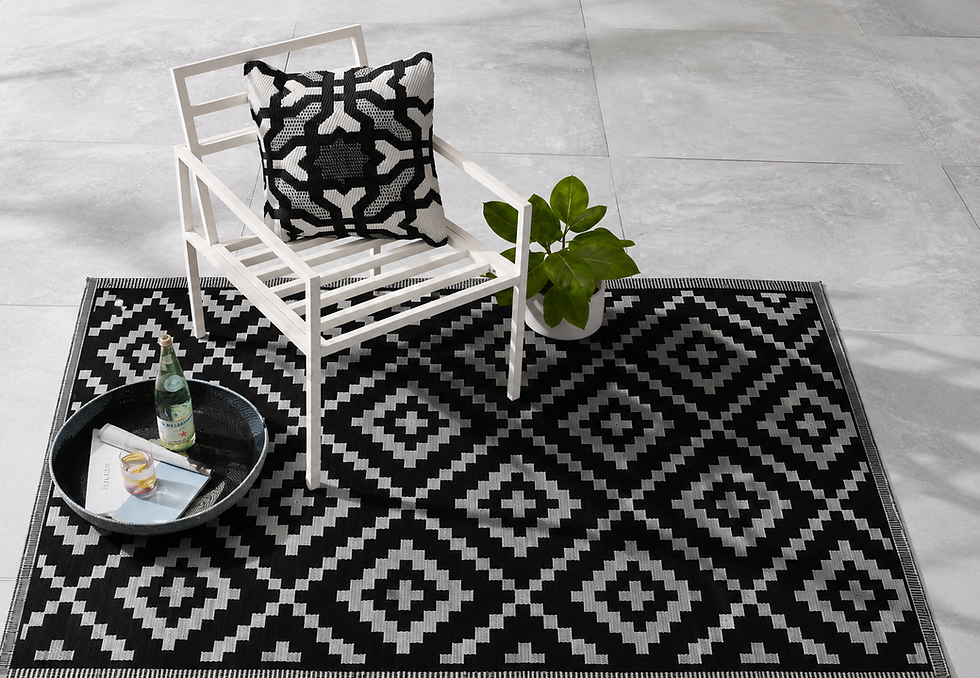
A woven recycled PP rug still has to pass the same buying checks as any other mat. Size finished and square. GSM checked on a swatch. Edge finished properly. Pattern woven in, visible in reverse colours on the back. Those checks live on our PP mats page, and they do not become less important because the input is recycled.
If anything, check a recycled sample with more care on colour consistency. Your retail customers will compare pieces side by side on a shelf. Approve a physical sample, keep it, and compare bulk against it. Our paid samples are credited against the order for exactly this reason. You should be standing on, folding and hosing the real thing before 500 pieces per design go ahead.
Also decide early what the customer-facing claim will be and keep it modest and accurate. "Made with GRS-certified recycled polypropylene" is a different sentence from broad claims about saving the planet, and only one of those sentences can be backed with paperwork if you are challenged. Your legal and retail compliance people will thank you for choosing the sentence you can prove.
Solar, and keeping the story straight
Our factory runs with a 185 kW solar plant on site. We mention it because buyers reporting on their supply chain ask about energy, and because it is true and verifiable. It does not make a PP rug biodegradable and we do not present it that way. Keeping each part of the story in its own box — recycled input under GRS paperwork, energy from the solar plant, Sedex for responsible sourcing — is what makes a sustainability page credible to a serious buyer.
That credibility is commercial, not just ethical. We have exported since 1994 and won PLEXCONCIL export awards for 17 consecutive years. Buyers who stay with a supplier for years tend to be the ones who were never surprised by a claim that did not hold up. In recycled ranges, surprises usually come from paperwork, not from weaving.
Briefing a recycled order
Bring the recycled requirement into the first brief, alongside size, GSM, design and packing. State the end market and the exact wording you hope to use. Ask what documentation will be supplied with the shipment. Decide labels and packaging at the same time, because a recycled claim printed on a bag cannot be added sensibly after cartons are closed.
Our normal production lead time is 30-45 days, MOQ 500 pieces per design, terms FOB Nhava Sheva or CIF. Recycled orders do not change the need to plan backwards from your season. If anything they need a little more room at the front for documentation checks.
Start with the recycled section on the PP mats page, look at the designs on the outdoor rugs page, and write to us with your market and proposed claim wording. We will tell you what we can document and what we cannot. That straight answer at brief stage is worth more than a cheerful yes that falls apart at audit.
Check the claim where the customer will read it
Before artwork is printed, read every recycled claim as a shopper would: hangtag, bag, listing title and product description. Each place must say only what the documentation supports, in words your compliance team has approved for that market. A careful claim on the product page undone by a careless headline on the outer bag is still a careless claim. Keep a copy of the approved wording, the certificate scope and the sample approval together in the order file. When a retailer asks a question two seasons later, that file is the difference between a quick, documented answer and a week of searching old emails.
Frequently asked questions
What does GRS cover for a recycled PP rug? GRS covers recycled content and its chain of custody through the supply chain, so the claim on the finished product can be traced and documented.
Does GRS mean the rug is not plastic? No. A recycled PP rug is still polypropylene. It behaves like woven PP: water runs off, it shakes clean and folds for storage.
What should I ask a GRS supplier for? Ask what recycled input will be used, what documentation follows it, the scope of the certificate, and what packaging wording that documentation supports in your market.
Can Streamflow supply recycled PP rugs under our own label? Private label is a regular part of our work. Raise recycled input, labels and packing at brief stage so documentation and packaging are planned together.


Comments